Upholstery Cleaning in Your Home: Freshness, Comfort, and Long-Lasting Fabric Care
Upholstery cleaning in your home is one of the most effective ways to refresh living spaces, protect furniture, and improve the overall comfort of everyday life. Sofas, armchairs, dining chairs, ottomans, and other soft furnishings naturally collect dust, body oils, food particles, pet hair, and airborne allergens over time. Without regular upholstery cleaning, these fabrics can look dull, smell unpleasant, and wear out faster than they should.
For homeowners, renters, property managers, and anyone who values a clean interior, upholstery cleaning is more than a cosmetic task. It is a practical maintenance step that helps preserve the life of furniture while supporting a healthier indoor environment. Whether you are dealing with a stubborn stain, lingering odors, or simply a tired-looking couch, professional upholstery cleaning can restore both appearance and comfort.
In modern homes, upholstery plays a big role in style and everyday use. Because furniture is touched, sat on, and used constantly, it makes sense to care for it properly. Upholstery cleaning in a regular maintenance routine can keep your fabrics looking brighter, feeling softer, and lasting longer. It also helps create a cleaner space for family members, guests, and pets.
Why Upholstery Cleaning Matters for Every Home
Upholstery cleaning is important because fabric-covered furniture absorbs more than many people realize. Dust settles deep into fibers, spills soak in quickly, and oils from skin and hair gradually darken frequently used areas. Over time, these factors can make even high-quality furniture appear neglected. Regular upholstery cleaning helps reverse that buildup before it becomes difficult to remove.
Another reason upholstery cleaning matters is hygiene. Cushions, armrests, and fabric seams can trap allergens, bacteria, and dust mites. For households with children, pets, or allergy-sensitive family members, this can affect comfort and air quality. A properly cleaned sofa or chair does not just look better; it also contributes to a more pleasant living environment.
Clean upholstery also supports the value of your furniture. Replacing couches and chairs can be expensive, so maintaining them is a smart investment. With the right upholstery cleaning methods, you can extend the life of your furniture and reduce the need for costly replacements.
Common Types of Upholstery and Their Cleaning Needs
Different fabrics require different upholstery cleaning approaches. A cleaning method that works well for microfiber may not be suitable for velvet, linen, or leather. Understanding your furniture material is the first step toward safe and effective care.
Common upholstery materials include:
- Cotton – comfortable and breathable, but prone to staining and water marks
- Microfiber – durable and stain-resistant, yet still benefits from deep cleaning
- Polyester blends – often resilient, but can trap oils and odors
- Leather – requires specialized cleaning and conditioning
- Velvet – luxurious but delicate, often needing gentle treatment
- Linen – elegant and natural, but sensitive to excess moisture
Before starting any upholstery cleaning project, always check the manufacturer’s label if available. Fabric codes usually indicate whether the material can handle water-based cleaning, solvent-based cleaning, or only professional treatment. This simple step can prevent shrinkage, discoloration, or texture damage.
Signs Your Furniture Needs Upholstery Cleaning
Many people wait until furniture looks visibly dirty before scheduling upholstery cleaning, but there are often early warning signs. Recognizing these signs can help you act before stains become permanent or odors become harder to remove.
Look for these common indicators:
- Visible stains from food, drink, pets, or makeup
- Darkened areas on seat cushions and armrests
- Musty, stale, or unpleasant odors
- Increased allergy symptoms when sitting on furniture
- Faded, dull, or uneven fabric appearance
- Embedded pet hair and debris that vacuuming does not remove
If your furniture feels sticky, smells off, or looks tired despite regular dusting, it may be time for deeper upholstery cleaning. Acting early makes it easier to restore freshness and reduce long-term fabric wear.
Professional Upholstery Cleaning vs. DIY Methods
Some homeowners prefer to handle upholstery cleaning themselves, while others rely on professional services. Both options have value, but they differ in effectiveness, convenience, and risk.
DIY upholstery cleaning can work for light spills, quick refreshes, or routine maintenance. A vacuum with an upholstery attachment, a soft brush, and a mild cleaning solution may be enough for surface-level care. However, home methods often cannot reach deep-seated dirt, and using too much water or the wrong product can damage the fabric.
Professional upholstery cleaning, on the other hand, uses specialized tools and cleaning agents designed for deep extraction and fabric safety. Technicians understand how to handle different materials, remove embedded debris, and target stains without over-saturating the upholstery. For heavily used furniture, professional care is often the safest and most effective choice.
In short, DIY care helps between services, while professional upholstery cleaning delivers a deeper, longer-lasting result.
How Upholstery Cleaning Works
Understanding the upholstery cleaning process can help you feel more confident about scheduling service or handling basic care at home. Although methods vary by fabric and condition, most professional upholstery cleaning jobs follow a similar structure.
Typical steps include:
- Inspection – The cleaner checks fabric type, condition, stains, and problem areas
- Pre-vacuuming – Loose dirt, dust, crumbs, and pet hair are removed
- Pre-treatment – Stains and heavily soiled spots receive targeted solutions
- Agitation – Gentle brushing loosens dirt trapped in the fibers
- Extraction or cleaning – Specialized equipment lifts soil from the fabric
- Rinse and deodorize – Residue is removed, and odors are neutralized
- Drying – Airflow and moisture control help furniture dry properly
Some fabrics benefit from steam cleaning, while others need low-moisture or dry-cleaning methods. The right upholstery cleaning approach depends on the material, the level of soiling, and the presence of stains or odors.
Benefits of Regular Upholstery Cleaning
Regular upholstery cleaning offers more than a fresher look. It supports the condition, hygiene, and comfort of your furniture in ways that are easy to notice over time. Clean upholstery can improve a room’s appearance instantly, making the entire home feel more polished and welcoming.
Key benefits include:
- Better appearance – Colors look brighter and fabrics appear cleaner
- Improved comfort – Sofas and chairs feel fresher and more pleasant to use
- Odor reduction – Food, smoke, pet, and moisture smells are minimized
- Longer fabric life – Dirt and grit that cause abrasion are removed
- Healthier indoor air – Dust and allergens trapped in fibers are reduced
- Higher furniture value – Well-maintained upholstery retains its appeal longer
Upholstery cleaning in a regular schedule can also prevent permanent staining. The longer a spill sits, the harder it is to remove. Timely cleaning keeps small issues from turning into costly problems.
For households with pets or children, the benefits are even more noticeable. Sticky spots, crumbs, and everyday messes can quickly build up, so regular upholstery cleaning helps maintain a cleaner and calmer home environment.
Stain Removal and Spot Treatment Tips
Stains are one of the biggest reasons people seek upholstery cleaning. Acting fast improves the chances of successful removal, but the wrong technique can make matters worse. Instead of scrubbing aggressively, which can push stains deeper or damage fibers, use a careful and controlled approach.
Helpful stain-treatment habits include:
- Blot spills immediately with a clean, dry cloth
- Avoid rubbing, which can spread the stain
- Test any cleaning product on a hidden area first
- Use minimal moisture to avoid soaking the fabric
- Treat stains from the outside in to limit spreading
- Allow the area to dry thoroughly before using the furniture again
Common stains such as coffee, wine, juice, ink, and grease each require different treatment methods. If a stain has already set in, professional upholstery cleaning may be the most reliable solution.
Odor Removal and Freshening the Fabric
Even when furniture looks clean, it may still hold odors from pets, smoke, sweat, food, or moisture. Upholstery cleaning helps neutralize these smells by removing the particles and residue that cause them. Air fresheners may mask an odor temporarily, but they do not address the source.
Deep cleaning can reach the layers where odors linger. This is especially useful for homes with pets or for furniture placed in humid rooms. A proper upholstery cleaning treatment can leave sofas, chairs, and cushions smelling fresh without relying on heavy perfumes.
For best odor control, pair upholstery cleaning with regular vacuuming, good ventilation, and quick cleanup after spills. Together, these habits create a cleaner and more comfortable living space.
How Often Should You Schedule Upholstery Cleaning?
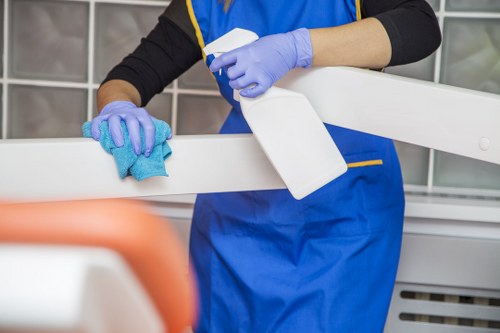
The ideal frequency for upholstery cleaning depends on how often the furniture is used, who lives in the home, and whether pets or children are present. A rarely used guest chair may need attention less often than a family sofa that sees daily activity.
General frequency recommendations:
- High-traffic furniture – every 6 to 12 months
- Lightly used pieces – every 12 to 18 months
- Homes with pets or children – more frequent cleaning may be helpful
- Allergy-prone households – regular upholstery cleaning can support comfort
Spot cleaning between services helps keep upholstery in better condition. However, routine deep cleaning is still important because surface cleaning alone cannot remove everything embedded in the fibers. Think of upholstery cleaning as scheduled maintenance, not just a reaction to visible dirt.
Choosing the Right Upholstery Cleaning Method for Each Fabric
Different cleaning methods offer different results, and choosing the right one matters. Steam cleaning, dry cleaning, foam cleaning, and low-moisture extraction all serve specific purposes. The best option depends on the textile, the manufacturer’s recommendations, and the level of soil.
Method overview:
- Hot water extraction – effective for durable fabrics and deep soil removal
- Dry cleaning – suitable for delicate fabrics that cannot handle water
- Foam cleaning – useful for controlled moisture and surface dirt
- Encapsulation or low-moisture cleaning – helpful for quick drying and maintenance
Using the wrong method can lead to shrinking, streaking, or distortion, especially on delicate textiles. That is why many people trust professional upholstery cleaning services when they want reliable results without risk.
Why Upholstery Cleaning Supports a Healthier Home
Clean furniture contributes to more than visual appeal. Upholstery can act like a filter, trapping dust, pollen, dead skin cells, and other particles that circulate through indoor spaces. Over time, these trapped materials can become a nuisance for allergy sufferers and may reduce overall comfort.
Benefits for indoor health include:
- Reduced dust accumulation on seating surfaces
- Fewer allergens embedded in fabric fibers
- Less pet dander lingering in soft furnishings
- Cleaner surfaces for children and guests
Although upholstery cleaning is not a medical treatment, it can support a cleaner household environment. Combined with vacuuming, air circulation, and regular dusting, it plays a valuable role in keeping the home fresh.
What to Expect from a Professional Service
When you book upholstery cleaning, you should expect a process tailored to your furniture’s condition and fabric type. A good service usually begins with an inspection and a discussion of any stains, odors, or areas of concern. From there, the cleaner chooses an appropriate method and works carefully to protect the fabric and surrounding areas.
Professional upholstery cleaning services often use advanced equipment that removes more dirt than home tools can. They may also apply fabric-safe protectants or deodorizing treatments, depending on the service and the upholstery material. This creates a cleaner finish and can help reduce future buildup.
Before service begins, clear the area around the furniture so the technician can work efficiently. Remove small items, cushions if instructed, and fragile décor nearby. This helps the upholstery cleaning process go smoothly and safely.
Maintenance Tips Between Upholstery Cleaning Visits
Maintaining upholstery between deep cleaning appointments is easier than many people think. A few simple habits can keep furniture looking better and extend the effects of each upholstery cleaning service.
Smart maintenance habits include:
- Vacuum upholstery weekly using a soft brush attachment
- Rotate cushions regularly to encourage even wear
- Blot spills immediately instead of waiting
- Keep pets off furniture when possible, or use washable covers
- Avoid eating messy foods on upholstered seating
- Use curtains or blinds to reduce fabric fading from sunlight
Small habits make a big difference. When upholstery is cared for consistently, each deep cleaning is more effective, and your furniture stays attractive for longer.
Final Thoughts on Upholstery Cleaning in Modern Homes
Upholstery cleaning is one of the simplest ways to improve the look, feel, and hygiene of your living space. It helps remove dirt, restore color, eliminate odors, and protect the furniture you use every day. Whether you have a single favorite chair or a full living room set, regular upholstery cleaning makes a noticeable difference.
By understanding your fabric type, staying ahead of stains, and choosing the right cleaning method, you can keep your furniture in great condition for years. Professional upholstery cleaning offers a deep, reliable solution, while routine home maintenance helps preserve those results.
If your sofas, chairs, or cushions are starting to look dull or smell stale, now is the right time to act. Book your service now and bring back the comfort and freshness your home deserves. Contact us today to take the next step toward cleaner, healthier upholstery and a more inviting home.