Stain Removal in Everyday Fabrics: Smart Techniques for Cleaner, Fresher Results
Stain removal is one of those household tasks that can feel frustrating in the moment and deeply satisfying when done well. Whether you are dealing with a fresh coffee spill, a grease mark, or a stubborn wine stain, the right stain removal approach can save your clothing, upholstery, and linens from permanent damage. The key is not just acting quickly, but also choosing the safest method for the fabric and the type of stain involved.
Effective stain removal is more than scrubbing harder. In fact, aggressive rubbing can push the stain deeper into fibers and make the problem worse. A smarter approach uses the right stain treatment, gentle handling, and a little knowledge about fabric care. With a few practical strategies, stain removal becomes much easier and far less stressful.
Today, people search for stain removal tips because they want results that are simple, reliable, and safe. From laundry stain removal to fabric stain removal on upholstery, the basic principles remain similar: identify the stain, act quickly, test before treating, and use the right products. This article explores stain removal methods that work for everyday situations, along with best practices to help you prevent permanent marks.
Why Stain Removal Matters for Clothes, Upholstery, and More
Stain removal is important because stains are not just cosmetic problems. They can weaken fibers, discolor materials, and create odors if left untreated. In clothing, a stain may become set after heat exposure in the dryer. On carpets and furniture, a small spill can spread quickly and become harder to remove over time. The sooner you address stain removal, the better your chances of restoring the item.
Another reason stain removal matters is cost. Replacing clothing, bedding, or furniture is usually more expensive than using a few simple cleaning products and techniques. Smart stain removal protects your investment and extends the life of everyday items. For families, pet owners, and busy households, this can make a meaningful difference in both budget and convenience.
There is also a hygiene aspect to stain removal. Food spills, bodily fluids, grease, and drink stains can attract bacteria or create unpleasant odors when not cleaned properly. A good stain removal routine helps keep your home fresher and more sanitary. That is why stain treatment should never be delayed longer than necessary.
Understanding Different Types of Stains

Not all stains are the same, and stain removal becomes much easier when you know what you are dealing with. Broadly, stains fall into a few categories: water-based stains, oil-based stains, protein-based stains, tannin stains, and dye-based stains. Each one responds differently to cleaning methods.
Water-based stains often come from juice, coffee, tea, soft drinks, or mud. These usually respond well to blotting and mild detergent solutions. Oil-based stains, such as grease, makeup, salad dressing, and motor oil, need a product that can break down oils before washing. Protein-based stains include blood, milk, egg, and sweat, and they should typically be treated with cool water first to prevent setting.
Tannin stains often come from plant-based liquids like coffee, wine, and tea. These can be stubborn because the natural pigments bond with fibers. Dye-based stains, including ink and some food colorings, may require specialized stain removal products. Knowing the stain type helps you choose the right stain removal method instead of guessing and risking more damage.
Stain Removal Basics: What to Do First
The first few minutes after a spill are critical. When possible, begin stain removal by gently blotting the excess liquid with a clean cloth or paper towel. Do not rub aggressively, because rubbing spreads the stain and pushes it deeper into the material. Blot from the outside of the stain toward the center to keep it from expanding.
After blotting, check the care label or surface instructions. Some fabrics require delicate handling, while certain upholstery materials should never be oversaturated. If you are unsure, test a small hidden area first. This simple precaution can prevent discoloration, shrinking, or damage during stain removal.
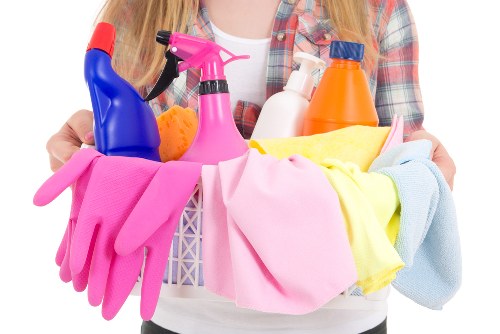
It also helps to gather a few basic supplies before starting stain removal. Useful items often include clean white cloths, paper towels, mild liquid detergent, baking soda, white vinegar, a soft brush, and cold water. For tougher stain removal tasks, an enzyme cleaner or specialty stain remover may be helpful. Keeping a small stain treatment kit at home can make cleanup much easier.
Effective Stain Removal Methods for Common Household Stains
Coffee and Tea Stain Removal
Coffee and tea stains are common and can be especially noticeable on light-colored fabrics. For successful stain removal, rinse the area with cool water as soon as possible. Then apply a small amount of liquid detergent or a stain remover formulated for tannin stains. Let it sit briefly, blot again, and wash according to fabric instructions.
If the stain remains, a mixture of water and white vinegar may help break down the discoloration. Always test first, especially on delicate textiles. Coffee stain removal often requires patience, but quick action usually produces good results.
Grease and Oil Stain Removal
Grease stain removal works best when you absorb excess oil first. Sprinkle a little baking soda or cornstarch on the stain and let it sit for several minutes. This helps pull oil from the fibers. Brush it away gently, then apply dish soap or a degreasing stain treatment before washing.
For upholstery or carpets, blot carefully and avoid soaking the material. Oil stain removal often improves with repeated gentle treatment rather than harsh scrubbing. Consistency matters more than force.
Wine Stain Removal
Red wine stain removal is a common concern because the pigment sets quickly. Blot immediately, then cover the stain with salt or baking soda to help absorb moisture. After that, treat with a stain remover or a mild detergent solution. Cold water is generally safer than hot water for wine stain removal.
White wine spills are usually easier to remove, but they can still leave residue or a sticky spot. A prompt rinse and gentle wash often solve the problem. When dealing with wine stain removal on upholstery, use minimal liquid and blot thoroughly afterward.
Stain Removal for Fabric, Carpet, and Upholstery
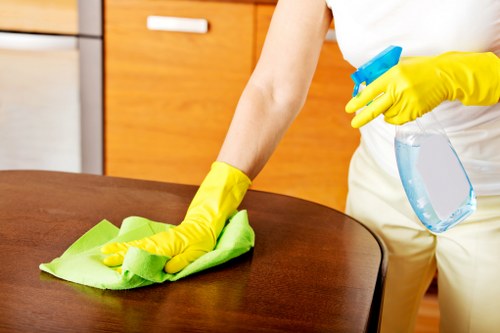
Fabric stain removal is often straightforward when you can wash the item, but carpet and upholstery stain removal require a different level of care. These materials cannot always be rinsed freely, and too much moisture can cause lingering odor, spreading, or padding damage. For that reason, stain removal on large surfaces should be done with controlled amounts of cleaner and plenty of blotting.
For carpet stain removal, begin by removing solids with a spoon or dull edge. Then blot the spill with a clean cloth. Apply a carpet-safe cleaner or a mild detergent solution in small amounts, working gradually. Never saturate the carpet, and always blot dry afterward. If needed, repeat the process until the stain lifts.
Upholstery stain removal depends heavily on the fabric type. Some cushions and chair covers are made from water-safe materials, while others require solvent-based treatment or professional cleaning. Check the care code if available. When in doubt, use the least invasive stain removal approach first.
Useful Tips for Delicate Materials
- Use cold water unless the care label says otherwise.
- Test stain removal products on hidden areas first.
- Blot, do not scrub.
- Avoid bleach unless the fabric is bleach-safe.
- Allow items to air dry before deciding whether the stain is fully gone.
Natural Stain Removal Solutions That Work

Many people prefer natural stain removal solutions because they are affordable, easy to find, and often gentle on fabrics. White vinegar is a popular choice for deodorizing and loosening some stains, while baking soda can help absorb moisture and odor. Mild dish soap is another useful option, especially for greasy marks. These ingredients can be very effective when used correctly.
Natural stain removal does not mean weak stain removal. In many cases, a simple mixture of water, soap, and vinegar can handle everyday spills without the need for stronger chemicals. For instance, a small amount of detergent combined with cool water may be enough for fruit juice, mud, or makeup stains. The best results usually come from pairing the right method with quick action.
Still, natural stain removal has limits. Some stains, especially ink, dye, and deeply set grease, may need a commercial product or repeated treatment. The goal is to choose the most suitable stain treatment, not the most complicated one. By balancing natural solutions with practical stain care, you can handle many household messes efficiently.
Advanced Stain Removal Strategies for Stubborn Marks
Enzyme Cleaners for Protein Stains
Enzyme cleaners are especially effective for blood, sweat, milk, and food stains. These products break down proteins at the molecular level, making stain removal easier without harsh scrubbing. For best results, apply the cleaner and allow enough dwell time before rinsing or washing.
Oxidizing Products for Colorful Stains
Some stains respond well to oxygen-based cleaners. These are often useful for fruit juice, coffee, and wine residue on washable fabrics. They can brighten materials while supporting deeper stain removal. Always follow the label instructions carefully and confirm that the product is safe for the fabric.
When Repeated Treatment Helps
Stubborn stain removal may require more than one attempt. This is especially true for older stains that have set into fibers. Instead of using more force, repeat the treatment patiently and allow proper soaking or resting time between attempts. Multiple gentle cycles are often better than one aggressive cleaning session.
Common Mistakes to Avoid During Stain Removal
One of the biggest stain removal mistakes is waiting too long. The longer a stain sits, the more likely it is to bond with the fabric. Another mistake is using hot water too soon, especially on protein stains like blood or egg. Heat can set the stain and make removal much harder.
Using too much cleaning product is another issue. More detergent does not always equal better stain removal. Excess product can leave residue, attract dirt, and make the area look dull. It is usually better to apply a small amount, work it in gently, and rinse thoroughly.
Finally, never skip the care label. Some materials need dry cleaning, delicate handling, or specialized stain treatment. Ignoring those instructions can cause shrinking, fading, or texture changes. Successful stain removal depends on the right method, not just the strongest one.
Quick reminder
Always test first, blot gently, and avoid heat until you know the stain is gone.
Preventing Stains Before They Start
Prevention is a major part of stain removal success because it reduces how often you need to treat stains in the first place. Protective sprays, placemats, coasters, and fabric-safe sealants can help reduce absorption on upholstery and carpets. In the kitchen, wiping spills immediately helps prevent residue from becoming a permanent problem.
For clothing, prompt laundering is one of the best prevention methods. Dirty garments left in a hamper for too long may develop set-in stains or odors. Sorting laundry quickly and checking for spots before drying can make a big difference. Since heat can lock in stains, inspect clothes before they go into the dryer.
You can also reduce stain risk by keeping small cleaning essentials within reach. A portable stain stick, microfiber cloth, and mild detergent can turn an emergency cleanup into a simple routine. This proactive approach makes stain removal less stressful and more manageable.
Stain Removal and Long-Term Fabric Care
Good stain removal is part of overall fabric care. When you treat stains properly, you preserve color, texture, and durability. This matters for everyday items like shirts, tablecloths, curtains, bedding, and cushions. Regular attention to stains helps materials look cleaner for longer and keeps them in better shape over time.
Long-term care also means choosing the right washing habits. Washing items at the correct temperature, separating fabrics, and using suitable detergent can reduce future stain problems. Items that are properly cared for are often easier to clean when spills happen. In that sense, stain removal is not just reactive; it is also preventative.
For households with children, pets, or frequent entertaining, stain removal becomes part of normal maintenance. The good news is that with practice, you will recognize stain types faster and respond more effectively. Over time, stain treatment becomes second nature, and the results speak for themselves.
When to Consider Professional Stain Removal
Some situations are best handled by professionals. If a stain is large, old, or located on a delicate or expensive item, professional stain removal may be the safest option. Specialty cleaners have access to equipment and solutions that are not always available for home use. They can often improve results without risking fabric damage.
Professional stain removal is also worth considering when DIY attempts have failed. Repeated home treatments can sometimes make a stain harder to remove or alter the texture of the material. A trained cleaner can assess the situation and choose a better approach. For high-value rugs, formal wear, silk, and heirloom textiles, expert help may save the item.
If you decide to try more at-home treatment first, do so carefully and stop if the fabric starts to change. Knowing when to pause is an important part of effective stain removal. In many cases, getting help early can prevent permanent damage and reduce the overall cost of restoration.
Final Thoughts on Stain Removal
Stain removal does not have to be overwhelming. With the right method, a little patience, and some basic supplies, most everyday spills can be managed successfully. The most important factors are acting quickly, identifying the stain correctly, and treating the material with care. These habits will improve your stain removal results on clothing, carpet, upholstery, and other household surfaces.
Whether you prefer natural solutions, commercial products, or a combination of both, the best stain removal strategy is the one that matches the stain and protects the fabric. Avoid rubbing, avoid heat until necessary, and always test first. These small steps can make a huge difference in the final result.
If you want cleaner fabrics, fresher rooms, and less stress after spills, make stain removal part of your regular home care routine. Take action early, stay consistent, and book your service now if a stain is too stubborn to handle on your own. For ongoing support with tough cleaning challenges, contact us today and keep your home looking its best.