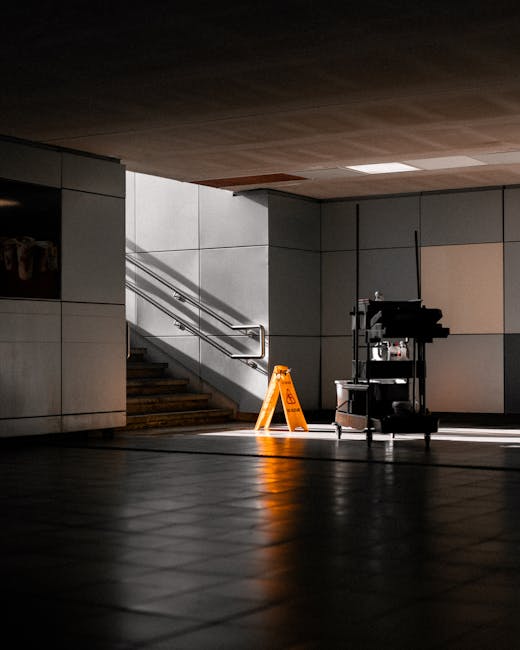
Shop cleaning services for Purley Way Croydon: a practical guide for busy retail spaces
If you run a shop near Purley Way Croydon, you already know the awkward truth: customers notice the floor, the entrance glass, the smell, the shine on the counters, and the crumbs under the display rack before they notice your signage. That is exactly why Shop cleaning services for Purley Way Croydon matter so much. A clean retail space does not just look better; it feels easier to browse, safer to walk through, and more professional from the first few seconds.
In this guide, we will break down what shop cleaning actually involves, how it works, what to look for in a provider, and how to avoid the common mistakes that make a store look tired again far too quickly. We will also touch on service options such as commercial carpet cleaning, steam carpet cleaning, upholstery cleaning, and stain removal where they fit into a proper retail-cleaning plan. It is not just about "having a clean shop". It is about keeping the whole place working for your customers and staff.
And let's face it, retail spaces on busy roads and retail parks take a beating. Dust comes in, shoes drag grit around, stock gets handled all day, and a single spill can change the feel of a room in minutes. A good cleaning routine keeps that from turning into a constant losing battle.
Table of Contents
- Why shop cleaning matters
- How shop cleaning works
- Key benefits and practical advantages
- Who it is for and when it makes sense
- Step-by-step guidance
- Expert tips for better results
- Common mistakes to avoid
- Tools, resources and recommendations
- Law, compliance, standards, or best practice
- Options, methods, or comparison table
- Case study or real-world example
- Practical checklist
- Conclusion
- Frequently asked questions
Why Shop cleaning services for Purley Way Croydon Matters
Purley Way is a practical, high-traffic part of Croydon, and retail premises there tend to deal with a lot of footfall, delivery movement, and day-to-day mess. That makes cleaning a bit different from cleaning a quieter office. You are not only dealing with visible dirt; you are dealing with the kind of wear that builds up quietly until one day the shop just feels shabby. You know the sort of thing: dull floors, marks around entrances, dusty shelving edges, fingerprints on glass, and fabric seating that has lost its freshness.
For a shop, cleanliness affects more than appearance. It shapes how long people stay, whether they feel comfortable browsing, and whether staff can work without constantly tidying around the edges. If a customer sees a clean, well-kept shop, they tend to assume the stock, service, and attention to detail are equally solid. Fair or not, that impression lands fast.
There is also the practical side. Regular shop cleaning can help reduce slip risks from spills, keep odours under control, and stop small hygiene issues from becoming bigger ones. In retail, a minor problem can become a very visible one very quickly. A spill near the entrance at 9:00 am can still be under someone's shoe by 9:05. No drama, just retail reality.
Shops on or near busy roads also pick up more airborne dust and grit than people expect. Over time, that grit works its way into carpets, upholstery, and grout lines. If you have ever looked at a store in bright morning light and thought, "Oh, that is a bit more tired than I realised," you already understand the point.
How Shop cleaning services for Purley Way Croydon Works
Most professional shop cleaning follows a simple pattern: assess the space, identify the high-risk and high-visibility areas, decide on the right cleaning methods, then carry out the work at a time that causes the least disruption. That sounds straightforward, and in a good service it is. The detail is in the planning.
First comes the walkthrough. A cleaner or supervisor usually looks at the floor types, display areas, counters, back-of-house zones, staff rooms, and any fabric surfaces that need special care. This matters because a carpeted changing area, a vinyl entrance, and a fabric bench all need different treatment. One method does not fit all, however tempting that would be.
Then the team works out what needs routine cleaning and what needs periodic deep cleaning. Routine tasks might include vacuuming, mopping, disinfecting touchpoints, polishing glass, and emptying bins. Deeper work may involve carpet cleaning, rug cleaning, curtain cleaning, or sofa cleaning if your retail layout includes seating, waiting areas, or soft furnishings.
For shops with persistent stains or occasional spill incidents, a targeted approach can help. That may involve pet stain and odour removal for shops that welcome animals, or more general stain treatment when drinks, ink, makeup, or food marks get into fabrics and flooring. Truth be told, retail spills are rarely glamorous. Most of them are tea, coffee, or muddy footprints. Sometimes all three before lunch.
Timing also matters. Many retailers prefer early morning, late evening, or closed-day cleans so staff can reopen to a fresh space without interruptions. If your shop has heavier weekly trade, a split schedule often works best: lighter daily upkeep plus a deeper periodic clean. That kind of rhythm keeps things under control without turning cleaning into a full-time headache.
Key Benefits and Practical Advantages
There are obvious benefits, and then there are the ones people notice only after the fact. The obvious ones are simple: the shop looks cleaner, smells fresher, and feels more inviting. The less obvious ones are often more valuable.
- Better first impressions: Clean floors, tidy windows, and fresh upholstery help customers trust the business quickly.
- Longer-lasting fixtures: Regular care slows down wear on carpets, flooring, curtains, and seating.
- Improved staff morale: People work better in a space that feels looked after.
- Reduced maintenance surprises: Spot cleaning and scheduled deep cleaning help prevent long-term damage.
- More consistent standards: A regular plan keeps the shop looking good even on the busiest days.
- Better hygiene control: High-touch areas can be cleaned more thoroughly and more often.
For retailers with premium stock, presentation is especially important. If you sell clothes, accessories, homeware, or anything that people associate with style, a messy floor can quietly undermine the brand. Even a small dusty corner near the till can make a difference. People do notice. Sometimes without saying anything.
There is also a cost-control angle. Deep cleaning done on a sensible schedule is usually easier to manage than waiting until a space has visibly deteriorated. If you let stains and build-up sit too long, you often end up spending more to correct the problem later. Not always, but often enough to be worth thinking about now rather than later.
Who This Is For and When It Makes Sense
Shop cleaning services are useful for a wide range of retail settings, not just large stores. In practice, they make sense for any shop that has regular footfall, customer-facing floors, or fabric and hard surfaces that need more than a quick dust and mop.
This includes convenience stores, boutiques, salons with retail areas, phone shops, gift shops, charity shops, small grocers, pet shops, and specialist retailers. A small shop with a narrow entrance can actually need cleaning just as urgently as a larger premises, because dirt concentrates fast in compact spaces. Small footprint, big mess. It happens.
You may especially need professional help if:
- the shop gets heavy daily footfall
- there are recurring marks near entrances
- staff are spending too much time on basic cleaning
- the store smells stale after opening
- customers regularly sit or wait in the premises
- carpets, rugs, curtains, or upholstery are beginning to look tired
- you want cleaning to happen outside trading hours
It also makes sense if you are preparing for a seasonal uplift, a refurbishment, a sale event, a relaunch, or a new tenancy handover. That "before and after" moment can be powerful. A fresh clean can make the whole space feel sharper, brighter, and more ready for business.
If your shop includes heavier commercial textile use, it may be worth looking at broader support through commercial carpet cleaning and upholstery cleaning rather than relying on surface-level tidying alone.
Step-by-Step Guidance
If you are planning a shop clean for the first time, the process is easier when you break it down. Here is the sensible way to approach it.
- Map the problem areas. Start with the entrance, till area, fitting rooms, customer seating, staff areas, and anywhere that picks up dirt quickly.
- Decide what needs daily, weekly, and periodic attention. A small shop may need a simple routine; a busier retail unit may need more layered care.
- Identify the surfaces. Carpets, tile, vinyl, laminate, glass, curtains, and upholstery all need different treatment.
- Choose the cleaning method. For example, steam treatment may suit some carpets, while spot removal may be better for isolated marks.
- Agree on timing. After-hours cleaning reduces disruption and helps avoid wet floors during trading.
- Protect stock and fixtures. Good cleaners will work around display items carefully, but it helps to clear breakables and loose clutter beforehand.
- Review the result. A quick post-clean check catches anything missed and helps refine the next visit.
One practical tip: take a few photos of your shop before cleaning, especially if you are dealing with recurring stains or high-wear areas. Not because you need a dramatic before-and-after reel for social media, although fair enough if you do, but because it helps you judge whether the schedule and method are actually working.
If your site has a lot of stubborn floor marks, steam carpet cleaning can be a useful part of the plan, provided the fibre type and drying time are suitable. That "provided" matters. Good providers do not just grab one machine and hope for the best.
Expert Tips for Better Results
In our experience, the best shop-cleaning results come from consistency, not heroics. A once-a-month panic clean can make a difference, sure, but it will never beat a sensible routine.
Start at the entrance. The first ten steps inside a shop carry most of the visible dirt. If the entrance area is neglected, the whole place looks weaker, even if the rest is spotless.
Use the right cleaning frequency for the trade. A boutique with light footfall will need a different schedule from a busy convenience shop. That sounds obvious, but people still under-clean based on what they hope the shop needs rather than what it actually needs.
Match products to surfaces. Harsh chemicals can dull finishes, damage fabrics, or leave residue that attracts dirt again. A cleaner who knows the difference between general cleaning, deep cleaning, and stain treatment is worth their weight in gold. Or close enough.
Keep a short stain log. It sounds a bit nerdy, perhaps, but tracking where stains happen helps you fix the cause. Is it the same entrance mat? The same display table? The same leaking plant pot? The pattern usually tells you something.
Think about odour, not just dirt. A shop can look clean and still feel uninviting if it smells stale, damp, or overly perfumed. Fresh is better than masked.
Don't forget the soft furnishings. Curtains, seats, and fabric wall features collect dust and odour over time. If they are part of your customer experience, they should be treated as such.
For stores with mixed materials and repeated touchpoints, it can help to combine periodic specialist care with targeted maintenance. That may include curtain cleaning in the upper customer area, rug cleaning for decorative mats or entry runners, and stain removal when isolated incidents need focused treatment.
Common Mistakes to Avoid
Most shop-cleaning problems are not dramatic. They are small, repeated mistakes that quietly stack up. The good news is that they are usually fixable.
- Cleaning only when the shop looks bad. By that point, dirt has usually already settled into textiles and corners.
- Using one method for every surface. That is how carpets, vinyl, and upholstery get treated badly.
- Ignoring high-touch points. Handles, rails, card machines, and counters need regular attention.
- Forgetting back-of-house areas. Staff rooms and storage zones affect the whole feel of the premises.
- Leaving spills too long. The longer a stain sits, the harder it is to shift cleanly.
- Over-wetting floors or fabrics. More water is not always better. Sometimes it is just wetter.
- Not planning for drying time. A clean shop that cannot safely reopen is still a problem.
Another common mistake is assuming that a space can be "saved" by surface cleaning alone. If carpets are deeply soiled or upholstery is holding onto odour, you need more than a quick refresh. The fix should match the problem, otherwise you end up paying twice.
Tools, Resources and Recommendations
You do not need a warehouse of equipment to keep a retail space in shape, but you do need the right tools for the right job. For basic upkeep, that usually means commercial vacuuming equipment, neutral floor cleaners, microfiber cloths, mops, glass-cleaning supplies, and safe waste handling. For deeper work, specialist extraction or steam-based cleaning can be useful depending on the fabric or flooring involved.
It also helps to have a simple cleaning plan on paper. Nothing fancy. Just a clear list of what gets cleaned, how often, and by whom. This reduces confusion and stops tasks being quietly passed around until nobody owns them. A classic workplace story, that one.
When evaluating a provider, useful things to check include:
- whether they understand retail settings rather than only domestic cleaning
- whether they can work around opening hours
- whether they can explain what happens to different surfaces
- whether they can advise on drying times and aftercare
- whether they are transparent about what is included
If you are comparing services, it may help to read the company's policy pages as well as service pages. For example, insurance and safety information can tell you a lot about how carefully a business operates, while health and safety policy details show whether risk is being taken seriously. You can also review recycling and sustainability if low-waste practices matter to your business.
For budgeting and planning, pricing and quotes is the natural place to start. It is always better to know what is included than to assume it will be fine and then discover extra costs later. We have all done that once, maybe twice.
Law, Compliance, Standards, or Best Practice
Retail cleaning in the UK is not just a matter of appearance; it sits alongside everyday business duties around safety, hygiene, and risk control. The exact obligations depend on the premises and the nature of the business, so it is wise to treat this as general best practice rather than legal advice.
At a practical level, a shop should aim to keep walkways clear, manage spills promptly, avoid obvious trip hazards, and use cleaning methods that do not create avoidable risks for staff or customers. That usually means thinking about wet floors, cords, equipment placement, and how long surfaces take to dry.
For cleaning providers, trust signals matter. It is reasonable to expect clear communication about access, secure payment handling, and privacy. If you want to understand those basics before booking, the site's payment and security page and privacy policy can help set expectations. If anything ever goes wrong, the complaints procedure should also be easy to understand.
For businesses that care about ethical operation, supplier transparency can matter too. Pages such as the about us section and modern slavery statement can help show how the business presents itself and what standards it claims to follow. That may sound a bit formal, but in commercial work, formality is part of trust.
Options, Methods, or Comparison Table
Different cleaning methods suit different shop layouts. Here is a simple comparison to help you think clearly about what your premises actually needs.
| Method | Best for | Strengths | Things to watch |
|---|---|---|---|
| Routine surface cleaning | Daily retail upkeep | Fast, practical, keeps visible areas tidy | Will not remove deep-set dirt |
| Commercial carpet cleaning | Carpeted sales areas, waiting zones, entrance mats | Improves appearance, helps refresh fibres | Needs correct drying time |
| Steam carpet cleaning | Deeper textile refresh where suitable | Good for a more intensive clean | Not ideal for every fibre or tight schedule |
| Upholstery and sofa cleaning | Seating areas, customer lounges, fitting rooms | Targets odour, marks, and everyday wear | Requires material-specific care |
| Stain removal | Isolated incidents and spills | Focused treatment, often efficient | Best when done quickly |
The simple rule is this: routine cleaning keeps the shop presentable, while specialist methods restore the parts that ordinary tidying cannot fix. Most good retail setups need a mix of both.
Case Study or Real-World Example
Imagine a small shop on Purley Way with a carpeted customer area, a couple of upholstered chairs near the counter, and a glass front that shows every handprint by mid-morning. The owner and staff keep on top of daily tidying, but the place still feels a little dull by Friday. Nothing awful. Just tired. A bit flat round the edges.
In a situation like that, the sensible plan is usually not one giant clean and done. It is a layered approach. The entrance gets regular attention because it gathers grit fastest. The carpet needs periodic professional care because vacuuming alone cannot lift all the embedded soil. The seating needs upholstery treatment because customers touch it, sit on it, and occasionally spill on it. And the windows, frankly, need more attention than anybody likes admitting.
Once the deeper work is done, the whole shop tends to feel different. Not magically new, not a film set. Just lighter, fresher, more open. Customers spend less time looking at the floor and more time looking at the stock. Staff stop apologising for a mark that has been there for weeks. That alone is worth something.
This is where a planned service routine pays off. If your shop has a mix of flooring and fabrics, a combination of carpet cleaning, upholstery cleaning, and targeted stain removal can make the space feel cared for without overcomplicating things.
Practical Checklist
Use this quick checklist before you book or schedule a retail clean. It keeps the process calm, which is underrated.
- Have you identified the highest-traffic zones?
- Do you know which surfaces are carpet, vinyl, fabric, or hard flooring?
- Are there any recurring stains or odours that need special attention?
- Can the cleaning be done outside customer hours?
- Will staff need to move stock or fixtures first?
- Do you need routine cleaning, deep cleaning, or both?
- Have you checked drying times for the chosen method?
- Do you have a plan for entrance mats and high-touch points?
- Have you reviewed insurance, safety, and payment details?
- Do you know when the next clean should happen?
Practical summary: if the shop looks clean but still feels worn, the issue is usually not one thing. It is a few small things in the wrong place for too long. Fix the routine, match the method to the surface, and the space usually improves quite quickly.
Conclusion
Shop cleaning services for Purley Way Croydon are not just a maintenance task. They are part of how your business presents itself, protects its fixtures, and keeps the daily atmosphere feeling calm and professional. The best cleaning plans are not flashy. They are steady, well-timed, and matched to the actual way your shop works.
If you take one thing away from this guide, let it be this: clean retail spaces do not happen by accident. They come from good timing, the right method, and a bit of consistency. Once that is in place, everything feels easier. Staff notice it. Customers notice it. Even on a grey Croydon morning, the shop feels like it has its act together.
Get a free quote today and see how much you can save.
And if you are still weighing it up, that is fine. A good shop cleaning plan is meant to make life simpler, not busier.
Frequently Asked Questions
What do shop cleaning services for Purley Way Croydon usually include?
They usually cover routine cleaning such as vacuuming, mopping, dusting, touchpoint cleaning, glass care, and bin emptying, with optional deeper work for carpets, upholstery, curtains, or stain treatment depending on the shop.
How often should a shop be professionally cleaned?
That depends on footfall, opening hours, and the type of stock you sell. Busy shops often benefit from regular maintenance plus periodic deep cleaning, while smaller or quieter premises may need less frequent visits.
Is steam cleaning safe for all shop carpets?
Not always. Steam cleaning can be effective for some carpet types, but fibre type, backing, drying time, and manufacturer guidance all matter. A good cleaner should check suitability before starting.
Can cleaning be done outside opening hours?
Yes, and in many retail settings that is the preferred option. After-hours or early-morning cleaning reduces disruption and helps avoid wet floors or blocked customer areas during trading.
What should I do before a shop clean?
Clear loose items, protect breakables, move stock away from the areas being cleaned where possible, and flag any stubborn stains or sensitive surfaces. A little preparation saves time and avoids awkward surprises.
How do I know if I need stain removal rather than full cleaning?
If there is a specific mark or spill and the rest of the area is in decent shape, targeted stain removal may be enough. If dirt, odour, or dullness is spread across the whole floor or seating area, a broader clean is usually better.
What kinds of shops benefit most from professional cleaning?
Any customer-facing shop can benefit, but it is especially useful for places with heavy footfall, fabric furnishings, carpets, or a strong need for presentation such as boutiques, salons, convenience stores, and specialist retailers.
Will cleaning help with odours in a shop?
Yes, especially if the odour is caused by textiles, spills, or trapped dirt. Upholstery, carpets, and soft furnishings can hold smells for longer than many people expect, so deep cleaning often helps.
What should I ask before booking a cleaning service?
Ask what is included, which surfaces they can treat, how long drying takes, whether they are insured, how they handle safety, and whether they can work around your trading hours. Clear answers are a good sign.
Are commercial carpet cleaning and upholstery cleaning relevant for small shops?
Absolutely. Small retail spaces often have less room to hide wear, so carpet and upholstery care can make a noticeable difference very quickly. A little freshening up can change the whole feel of the place.
How can I make cleaning results last longer?
Use entrance mats, tidy spills promptly, keep a routine for high-touch areas, and schedule deeper cleaning before dirt becomes embedded. Prevention sounds boring, but it works.
Where can I find more details about policies and service expectations?
You can review the provider's about us, terms and conditions, and privacy policy pages, along with relevant service pages such as pricing and quotes and contact us if you want to ask specific questions before booking.